 University of North Texas

Great Conversations 2026
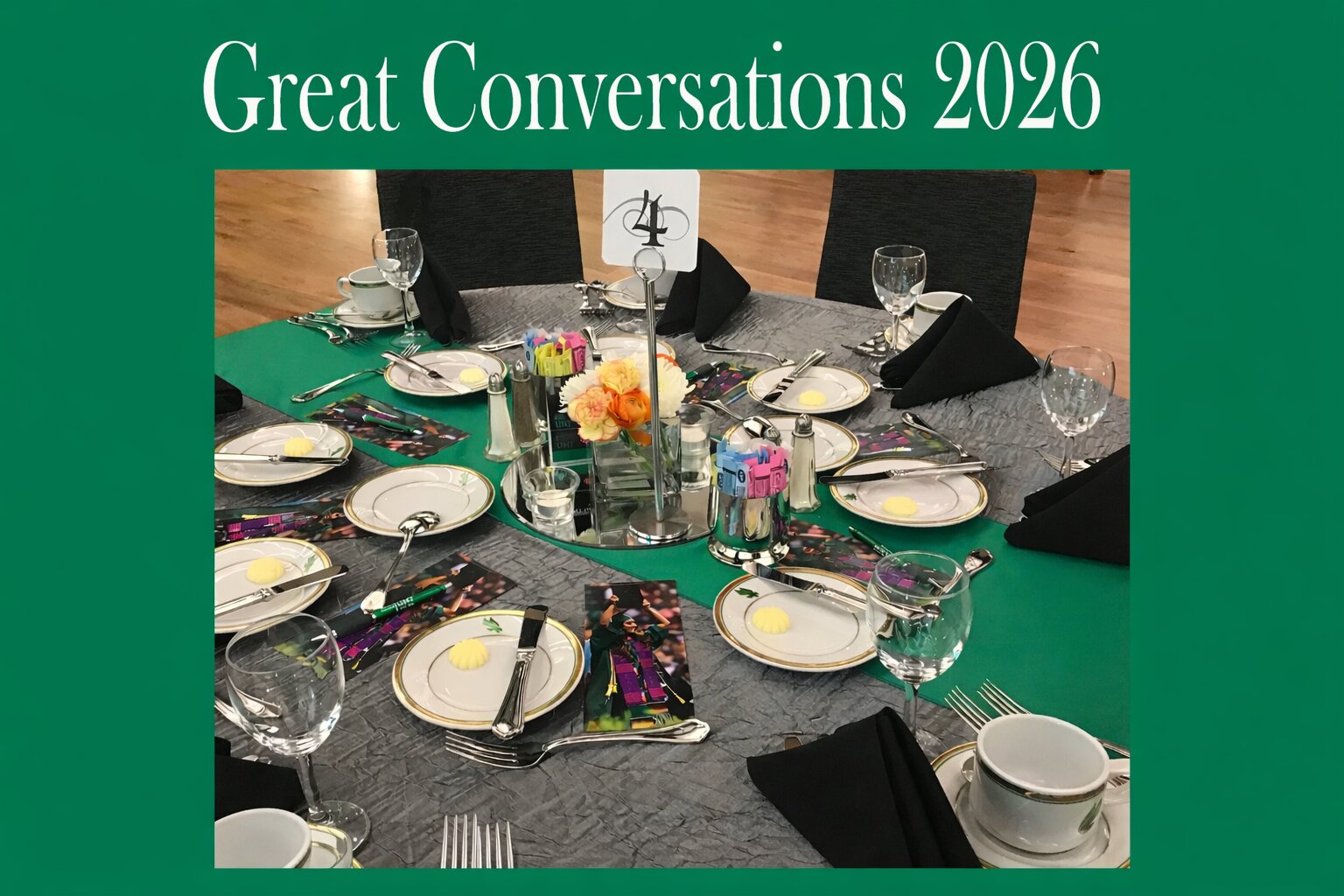
The Honors College Great Conversations 2026 is proud to be sponsored by:





Great Conversations is a unique live event supporting the Honors College at the University of North Texas.
This engaging dinner program brings together accomplished and knowledgeable speakers
to lead small-group conversations on a wide range of topics — from thought-provoking
to lighthearted — in an interactive, relaxed setting.
The event will be held at the DATCU Hub Club on Thursday, March 5, 2026. Doors open
at 6:00 p.m., followed by a social hour with wine and sparkling water service. Dinner
and guided conversations begin at 7:00 p.m.
Guests will enjoy a three-course dinner featuring a fire-grilled ribeye with accompaniments
and curated wine pairings. A vegetarian option is available upon request by emailing
Anne.Green@unt.edu.
Sponsorship packages include both advertising and ticket options. For more information, please contact Anne.Green@unt.edu. Event proceeds directly support Honors College students through scholarship funding. Additional giving opportunities can be found at https://one.unt.edu/giving/honors-college.
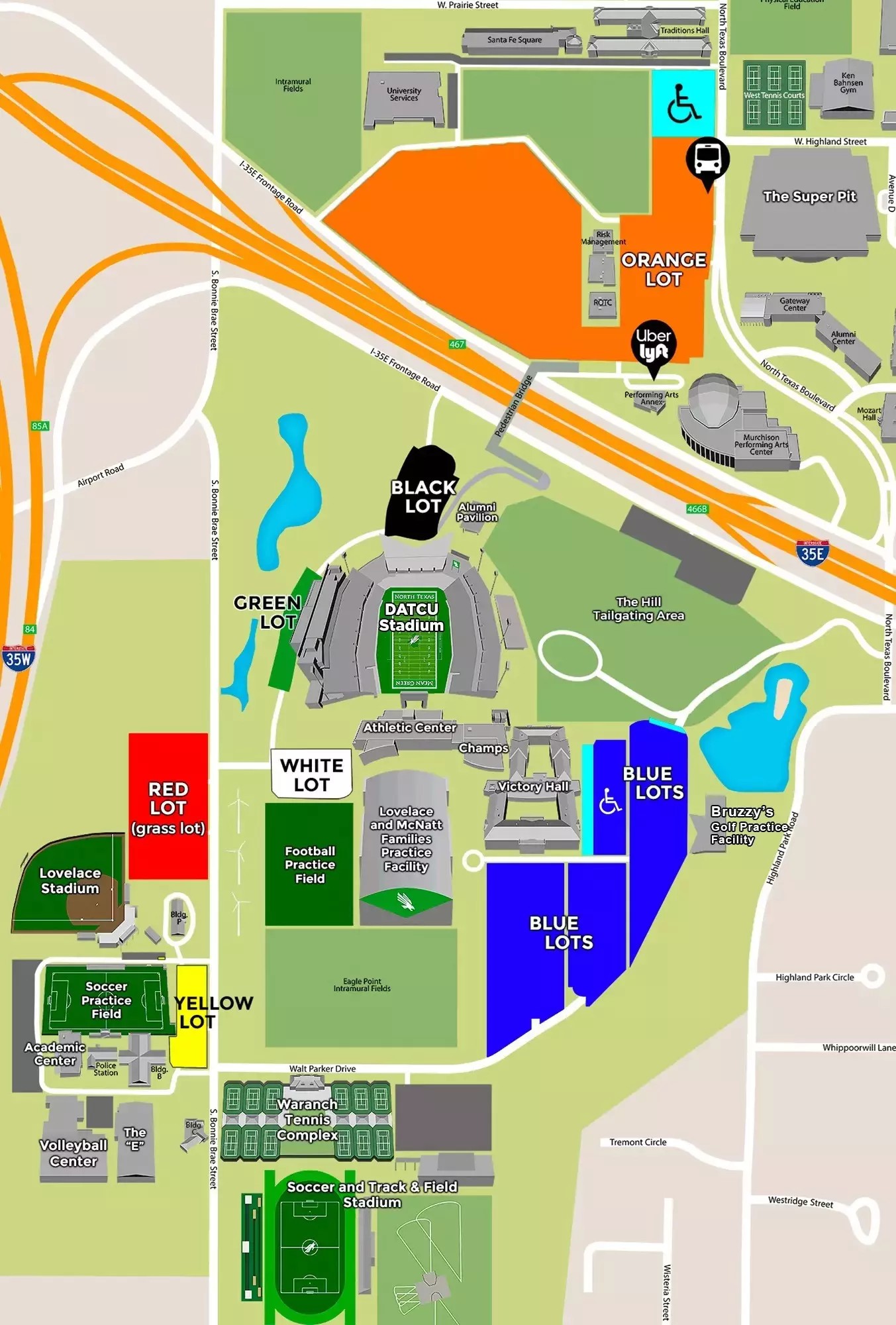

Table 1
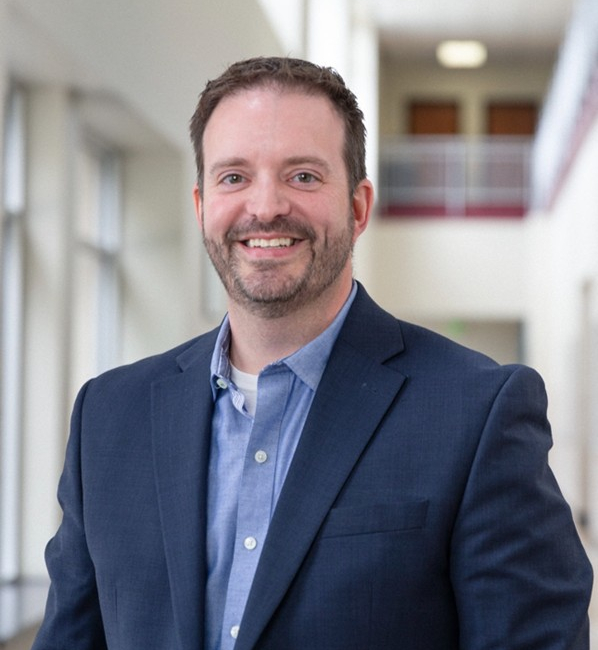
Marcus Bourland
Full of Wonder! - The Mindset That Changes Everything
What if the secret to staying energized, relevant, and fulfilled, both in education and in life, was simply choosing to live in a state of wonder? Wonder is what keeps us curious instead of cynical, growing instead of stagnant, and young at heart instead of worn down by routine. When we intentionally cultivate curiosity and awe, we don't just improve; we transform our thinking, our relationships, and our daily lives. This topic will challenge you to rethink how you approach learning, leadership, and living and rediscover the power of seeing the world with fresh eyes.
Marcus Bourland is an education leader with over 22 years of experience serving students, staff, and school communities. Known for his innovative approach, he blends high expectations with strong relationships, always keeping students at the center of the work. He believes that education and life should spark curiosity, fuel joy, and inspire growth. Leading with purpose and loving students first, Marcus challenges others to embrace wonder as a way to stay sharp, stay passionate, and stay young in both mindset and mission.
Table 2
Bryan Dickson
Sex, Drugs, and Economics: Everything you ever wanted to know about everyday life but were afraid to ask.
Economics becomes far more interesting once we realize it’s less about graphs and more about people—why we buy, why we hesitate, why we splurge, and why we sometimes regret everything. Our choices are shaped by incentives, habits, social cues, and clever tricks companies use to influence us. This conversation dives into the fun, counterintuitive psychology behind consumers’ everyday economic behavior.
Bryan Dickson is a Senior Lecturer of economics at the University of North Texas, where he teaches principles of microeconomics, principles of macroeconomics, economics of consumption, and consumer behavior. Known for making economics clear, funny, and unexpectedly relevant, he focuses on how real people make decisions—not in perfect textbook conditions, but in the messy, emotional, everyday world of habits, shortcuts, and biases.
Before teaching full-time, Bryan spent years in industry, bringing a practical, applied perspective to the classroom. His interests include consumer decision-making, behavioral economics, advertising, budgeting, investing, saving, and the psychology behind why people buy the things they buy. Students often describe his classes as “the first time economics actually made sense.”
Outside the classroom, Bryan brings a wide range of experiences that inform his approach to understanding human behavior. Among the topmost interesting things he has done: he has raced vintage cars cross-country, sings and plays guitar in a band, owned a successful aerospace and defense consulting firm, traveled to Petra in Jordan, worked in advertising on Madison Avenue, and—what he considers his greatest achievement—has been happily married for 33 years.
Bryan also owns a vintage Gulf service station in Denton, which he hopes will someday be an Airbnb/VRBO. Bryan enjoys connecting with people and demonstrating that economics isn’t abstract or dry—it’s one of the most powerful tools for understanding our everyday lives.
Table 3
Eric Hutmacher
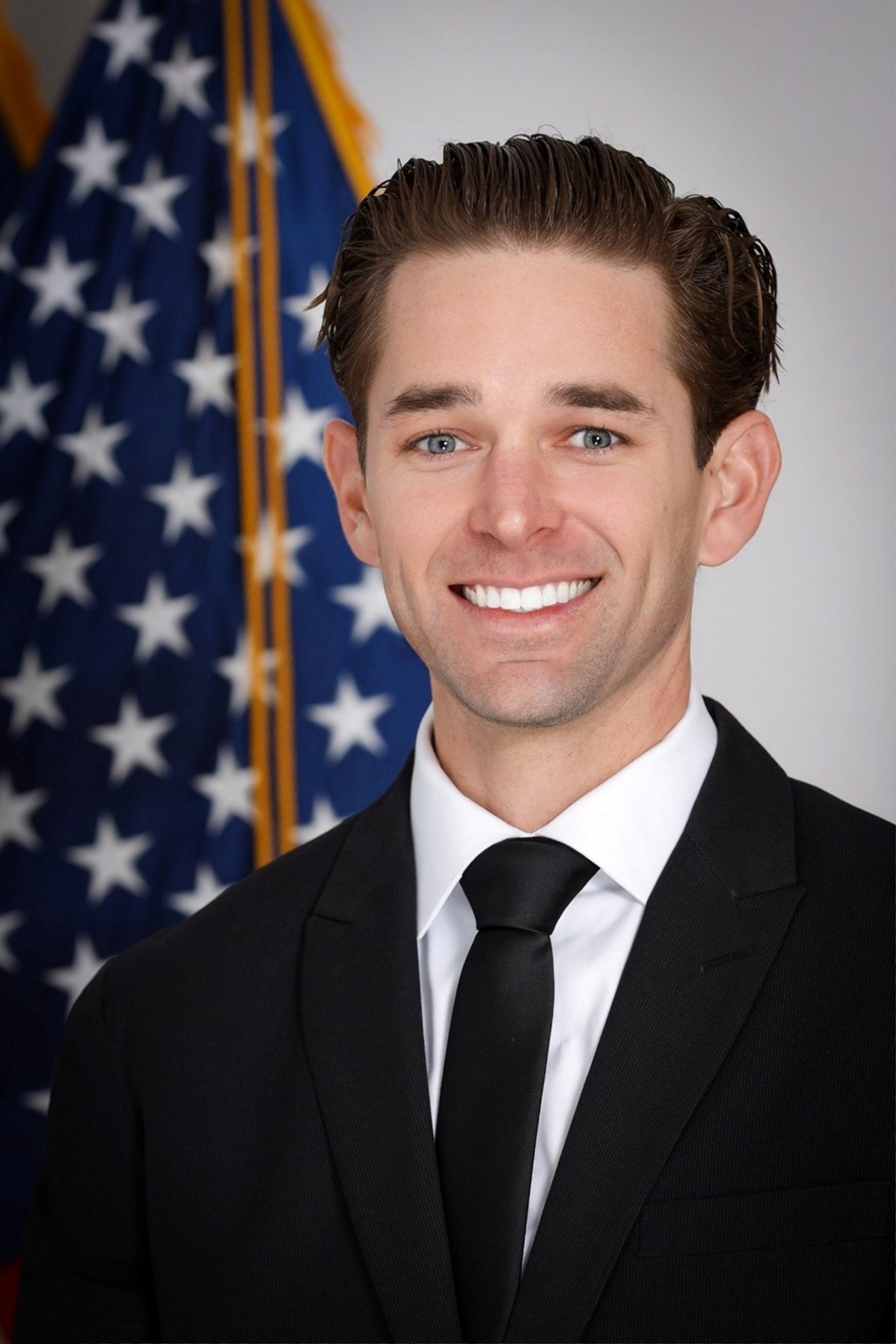
Intentional Resilience and the Future of the Social Contract
What remains when plans fail and waters rise? As FEMA Region 6 Emergency Services Branch Director, Eric Hutmacher has seen that resilience is built intentionally, not by chance. In this conversation, he shows how skills developed through higher education become critical in real crises, including the 2025 Kerr County floods and Winter Storm Uri. Drawing on his experience as both a federal leader and UNT professor, Eric connects scholarship support to the development of the expertise communities rely on in times of need. Join us to explore how the next generation of scholars will strengthen and sustain our communities.
Eric Hutmacher has spent more than 16 years helping communities prepare for, respond to, and recover from disasters. From tornadoes and floods to hurricanes and pandemics, he has been on the front lines, including the Ebola outbreak, Hurricane Harvey, Winter Storm Uri, the Texas Panhandle Fires, and the COVID-19 mass vaccination site at Texas Motor Speedway.
Eric has a track record of building systems that make emergency response run smoothly. In Denton County, he developed and led the first independent Office of Emergency Management, coordinating programs and partnerships across local, state, and federal agencies. In Southlake, he launched the city’s first Emergency Operations Center, and in Lewisville, he rolled out Texas’ first “EOC-in-a-Box” trailer and secured grants to protect flood-prone properties. At Texas Woman’s University, he created the school’s first comprehensive emergency plan and helped manage major events like the Cobblestone Ice Event and the Ebola response.
He holds a Master of Public Administration from the University of Texas at Arlington and a Bachelor of Science in Emergency Administration and Planning from the University of North Texas. He is a Certified Emergency Manager (CEM) and holds multiple FEMA certifications, including ICS Instructor and COOP Level I.
Outside the office, Eric is a husband and father of two energetic young kids. He enjoys playing music, tinkering as an amateur mechanic, and spending time outdoors with his family. He also shares his expertise as an adjunct professor in the EADP Program at the University of North Texas.
Eric’s career is defined by one simple mission: making communities stronger, more resilient, and ready to face whatever comes next—because when disasters strike, preparation, coordination, and clear leadership make all the difference.
Table 4
Orlando Bagcal
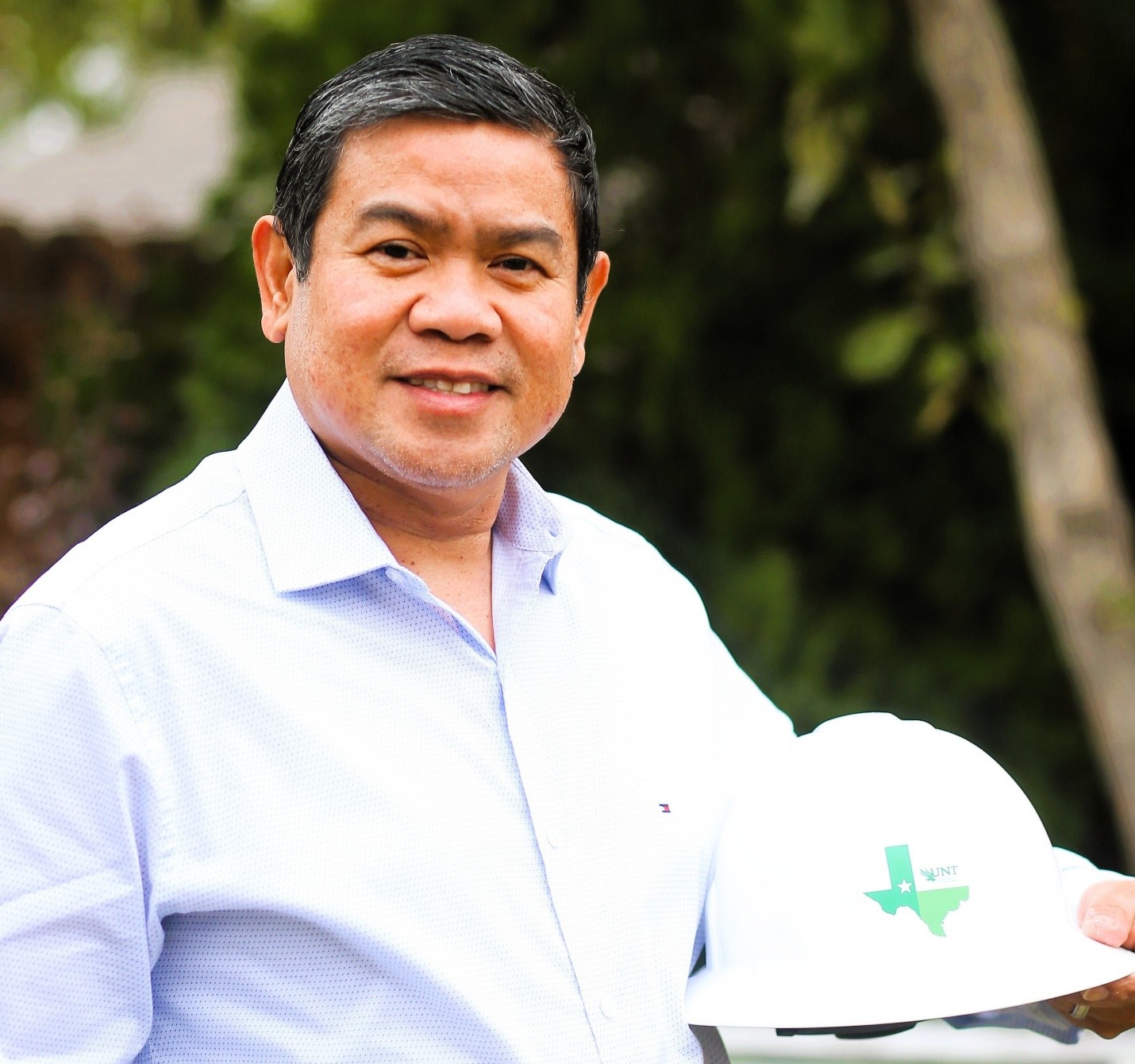
What can we learn from the construction of the Empire State Building to build future structures?
Did you know that the Empire State Building was completed in just 13 months? This remarkable achievement demonstrates how strategic planning and innovation can revolutionize construction. In this discussion, we will explore how advancements in technology and automation are reshaping the industry and what lessons we can learn from history to build the future. Join us for an engaging conversation on the evolution of construction and what lies ahead in sustainable construction through automation and technology integration.
Orlando Bagcal has combined professional industry and academic experience for over 30 years. He is a Clinical Associate Professor for the College of Engineering and program coordinator of construction management the University of North Texas. He teaches undergraduate and graduate courses related to construction engineering technology and construction management. He received his Ph.D. in Industrial Technology from the Technological University of the Philippines, and post graduate program in AI/ML from the University of Texas at Austin, McCombs School of Business.
Table 5
Dr. Toral Patel
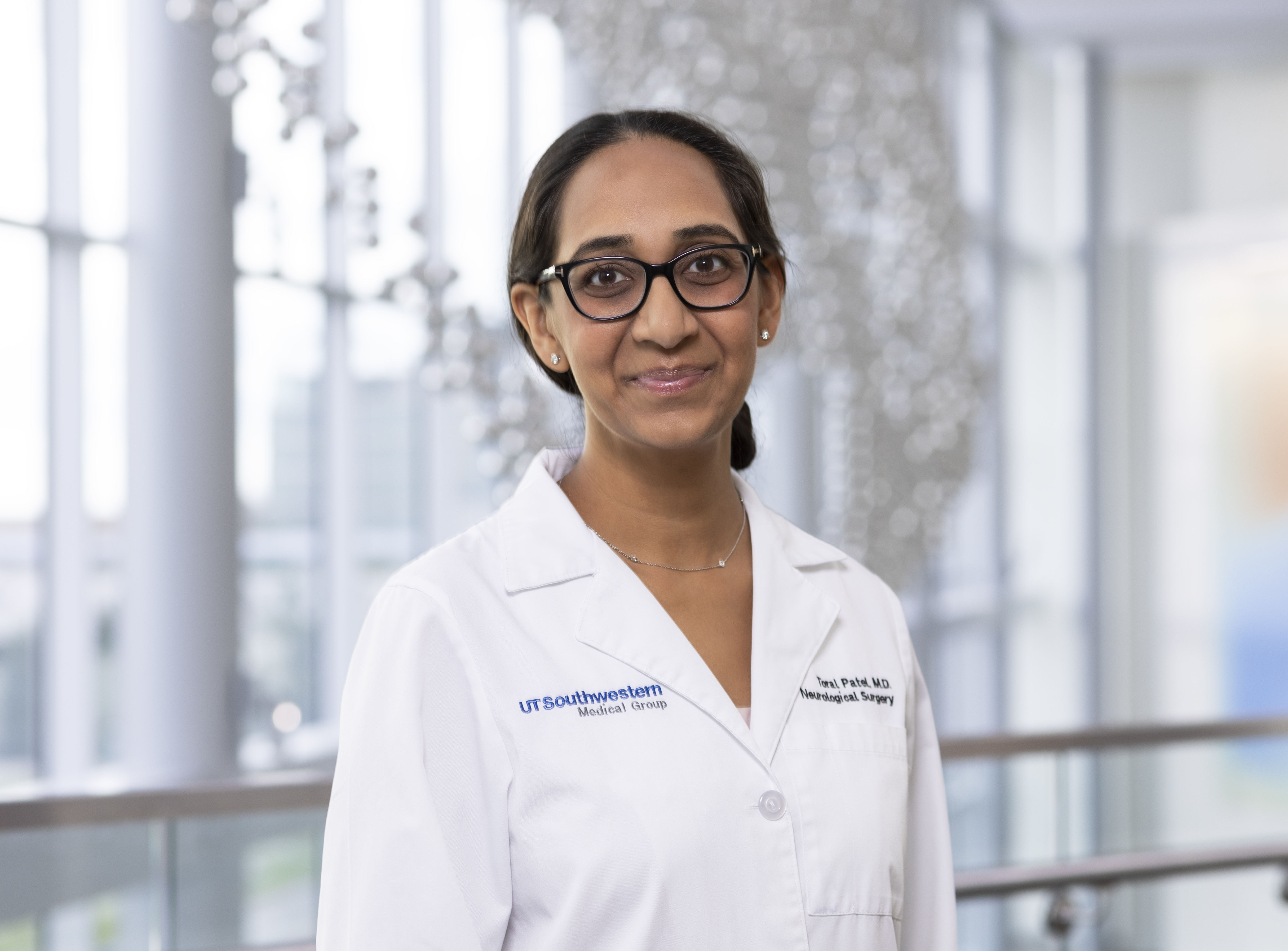
It’s not brain surgery … or is it?
Spend your evening discussing historical and current trends in neurosurgery. Engage with a brain tumor surgeon and hear her thoughts on the future of healthcare, the potential of AI in medicine, and training the next generation of physicians.
Toral Patel, M.D., is an Associate Professor in the nationally ranked Department of Neurological Surgery at UT Southwestern Medical Center, where she specializes in brain tumor surgery.
She grew up in Coppell and graduated from the Texas Academy of Mathematics and Science. She earned her undergraduate degree in biomedical engineering from Johns Hopkins University and her medical degree from UT Southwestern Medical School. Dr. Patel completed her neurological surgery residency at Yale–New Haven Hospital, where she served as Chief Resident, followed by a neurosurgical oncology fellowship at Memorial Sloan Kettering Cancer Center. She joined the UT Southwestern faculty in 2014.
Dr. Patel provides advanced, research-driven care, using techniques such as brain mapping for tumors in critical areas and minimally invasive laser interstitial thermal therapy (LITT). Her work has earned multiple honors, including UT Southwestern’s Leaders in Clinical Excellence Patient and Family Recognition Award, and she holds a patent for nanoparticle-based drug delivery for brain tumors. She has been named to D Magazine’s Best Doctors list annually since 2018.
She served as the first female President of the Texas Association of Neurological Surgeons (2024–2025) and is an active member of several national neurosurgical and neuro-oncology organizations.
Table 6
Kevin Roden
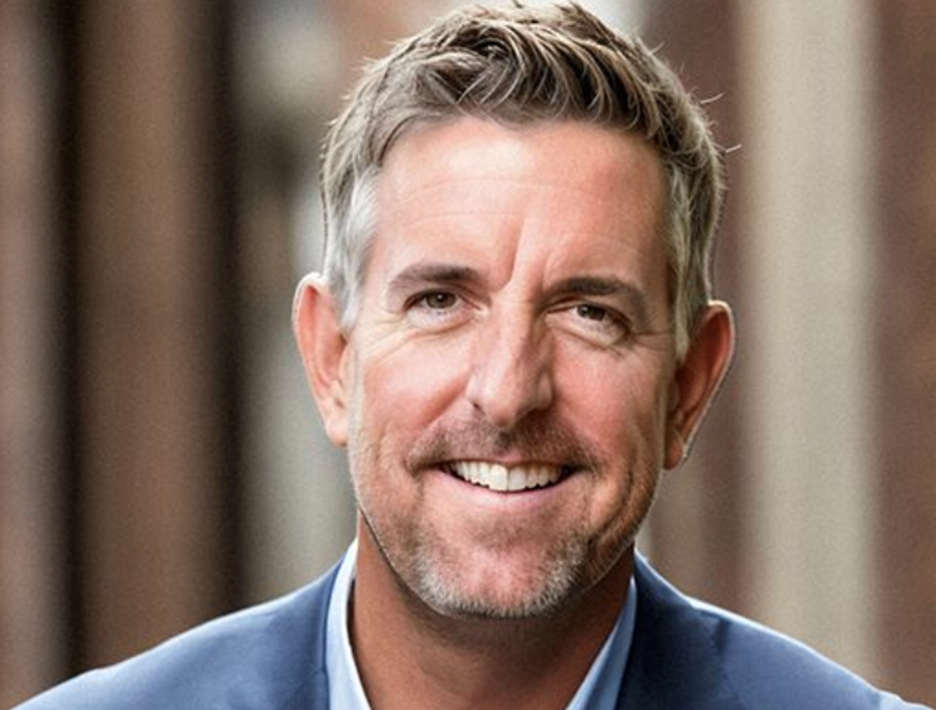
Will we ever be able to talk about politics at cocktail parties again?
Political polarization is at an all-time high. It's becoming clear that the space to have calm, rational conversations about politics is becoming smaller and smaller. We can't talk about it at school, at work, at the dinner table, or at the cocktail party.
If this is the case, how do we expect we can ever get better at it? Where do we learn how to practice politics and learn the virtues of democracy?
Join us for a conversation about whether and how we can improve our political discourse in America.
Our table host, Kevin Roden, along with his wife Emily, have been leading regular cocktail-fueled salons at their home in Denton for over 25 years. Each month, friends and strangers fill their living room, consume their adult beverages, and do something that is rarely seen today: discussing the big questions of human life with others.
Table 7
Dr. Jim Bednarz
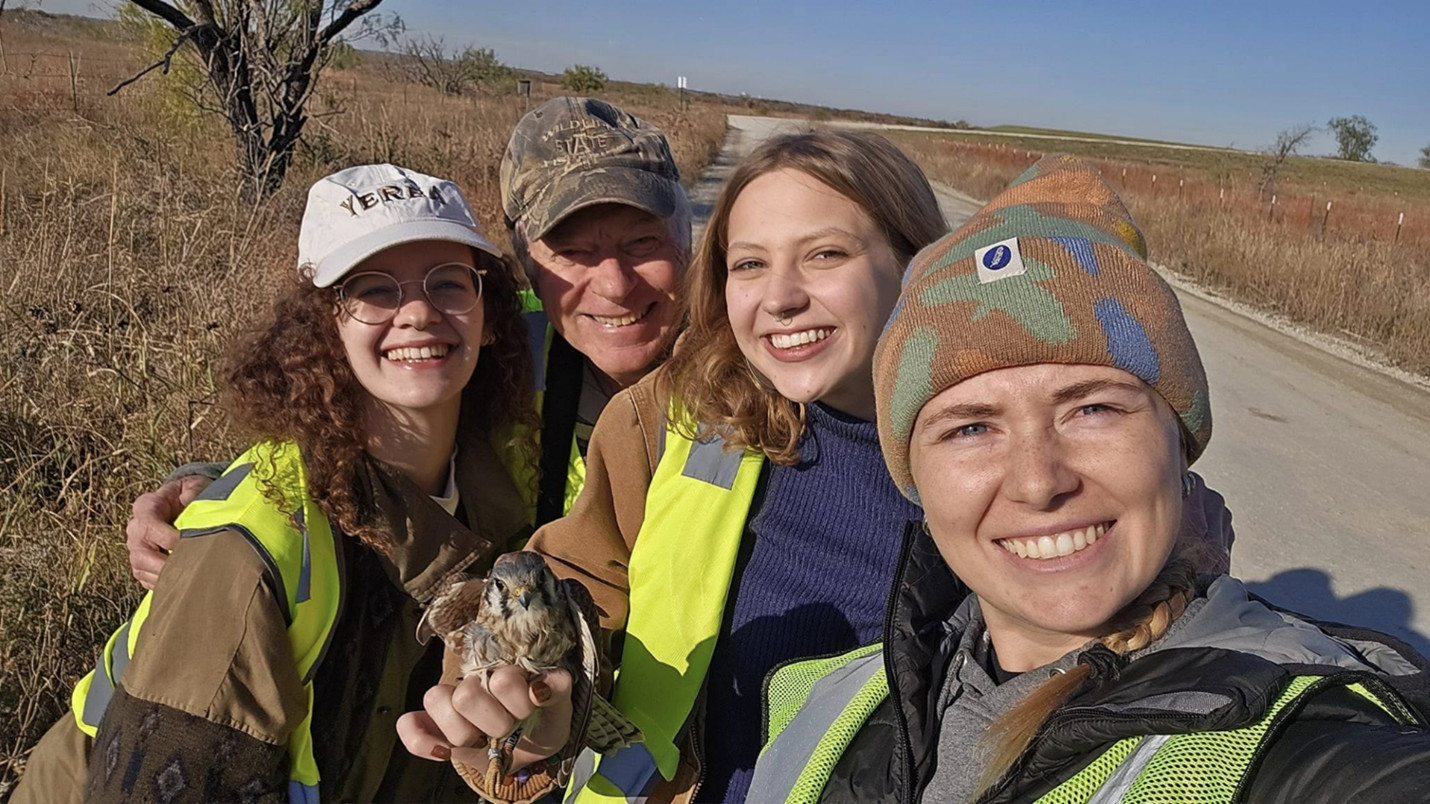
Birds, Conservation, Inspiring Students, and Trying to Save the World
Dr. Jim Bednarz will describe the Ecology for Environmental Sciences program at UNT that attracts students interested in working with wildlife, promoting animal conservation, and in protecting the environment for humans and all lifeforms. Students in this program tend to be passionate, altruistic, benevolent, and anxious to devote their careers and lives to foster conservation and environmental protection. Contrary to many in society, becoming wealthy is not a priority life goal for students in this program. Bednarz will explain that by using hands-on research and work experiences with charismatic animals at UNT this only furthers the drive and motivation of these students to devote their lives to making the world a better place for all.
Jim Bednarz received his undergraduate degree in Fisheries and Wildlife Biology at New Mexico State University, M.S. degree in Animal Ecology at Iowa State University, and Ph.D. degree in Biology at the University of New Mexico. Jim has conducted research throughout the world for more than four decades emphasizing avian population ecology and conservation. Jim has published over 130 scholarly works including journal articles, monographs, book reviews, book chapters, conference proceedings, one book, and was the Editor of the Journal of Raptor Research for 6 years. He is currently a Clinical Associate Professor in the Department of Biological Sciences at the University of North Texas. Although Jim has studied all types of birds, he has primarily worked on migratory passerines and raptors. He is especially interested in process questions related to ecological interactions, the impacts of human activities on ecological systems, and basic questions about raptor ecology.
Table 8
Dr. Brian Anderson

Replaying the Good Times: Music, Mario, and Memory
Step back into your golden age of gaming and music as we explore how iconic soundtracks, sonic cues, and pixelated adventures have shaped the last fifty years (and counting). From the emotional pull of nostalgic melodies to the cultural impact of iconic characters such as Mario and Link, this conversation dives into why these experiences still resonate today. Join us for a lively discussion on creativity, connection, and the timeless power of play.
Brian Anderson is Senior Lecturer in Music History Pedagogy at the University of North Texas. He earned his Ph.D. in musicology with a related field in music theory at UNT and holds degrees in musicology, music education, and. A 2023 NEH grant recipient, Anderson is an experienced educator and active musician who has presented at several national conferences. His research focuses on the digital humanities and on effective teaching in music history.
Table 9
Dr. Anondah Saide
Politics at the Breaking Point: Why Are Americans Cutting Off Friends and Family?
This conversation will examine the growing trend of Americans ending close relationships over political disagreements. Using nationally representative survey data, we will discuss who is most likely to cut ties, the psychological and social factors that predict these breaks, and what this pattern suggests about polarization and social cohesion.
Dr. Anondah Saide is a developmental psychologist who earned her PhD from the University of California, Riverside. She studies how culture and cognition shape how people understand the world. Her research examines how family background influences children’s reasoning about religious, scientific, and existential concepts, and how cognitive biases can support or constrain learning. She also explores how early concepts develop into adult political, religious, and moral worldviews—and the emotional consequences of those commitments. Her work includes analysis of large-scale survey data to better understand contemporary social trends. Her research has been published in journals including Cognitive Science, British Journal of Developmental Psychology, Journal of Cognition and Culture, and Frontiers in Psychology.

Table 11
Morgan Davis Gieringer
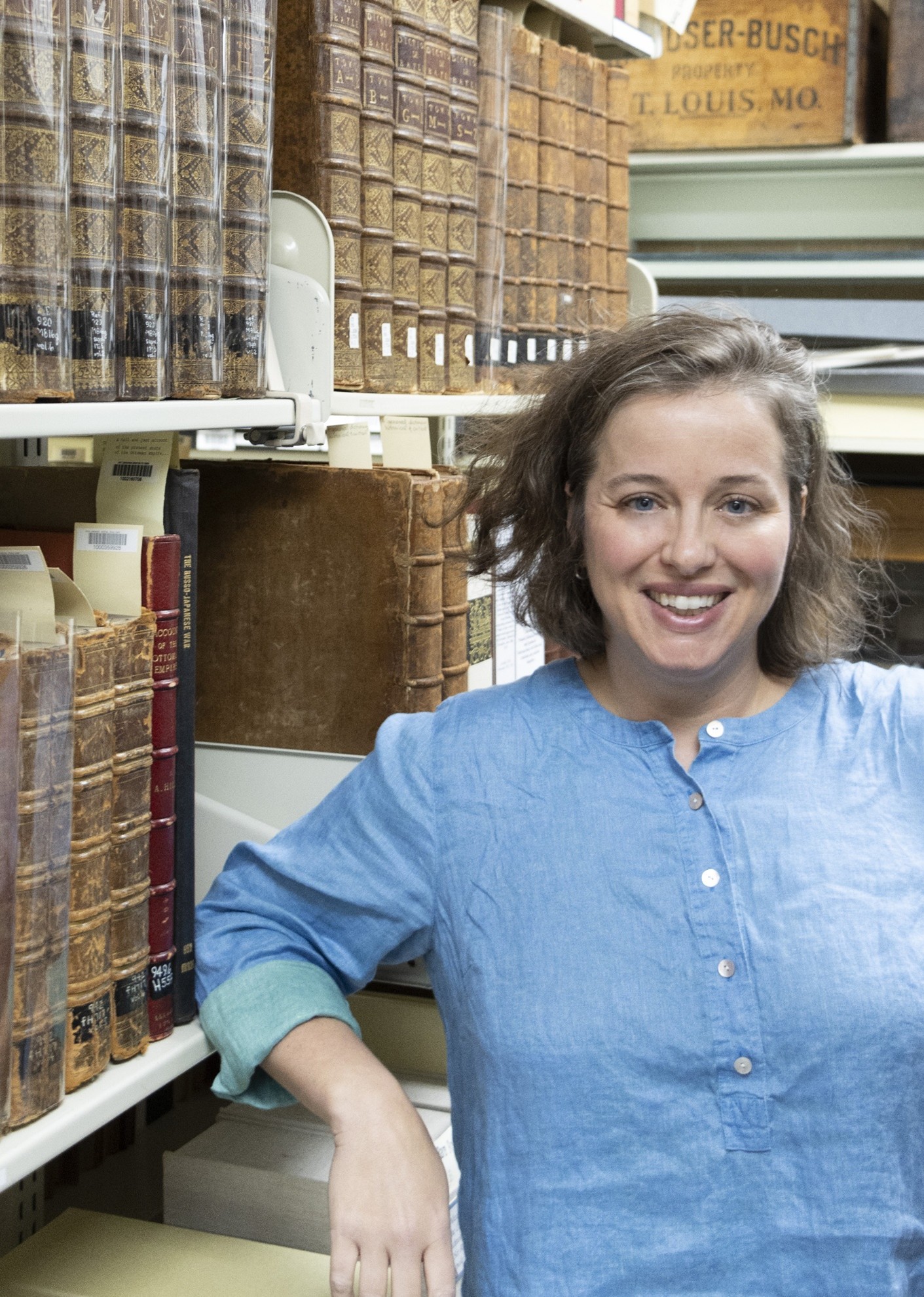
The Big World of Miniature Books
Learn more about the fascinating history of miniature books and why these tiny tomes are more popular than ever! Defined as books with a spine height of 3 inches or less, books printed in miniature form have evolved from utilitarian objects to highly collectable art objects. UNT Special Collections has an exceptional collection of miniature books spanning three centuries and representing diverse types of miniatures such as miniature artist’s books, miniatures published in Texas, and Spanish language miniatures.
Morgan Gieringer is the Head of UNT Libraries Special Collections department, which includes the libraries’ rare book collection, Preservation Lab, University Archive, Television News Archive, and over 40,000 linear feet of archival materials. As an instructor in the College of Information, Morgan developed the Graduate Certificate in Archival Management and teaches graduate course in Archival Studies and Archival Appraisal. Morgan received her BA in Anthropology from UNT, her Master's in Library Science from Texas Woman's University, and is a member of the Academy of Certified Archivists.
Table 13
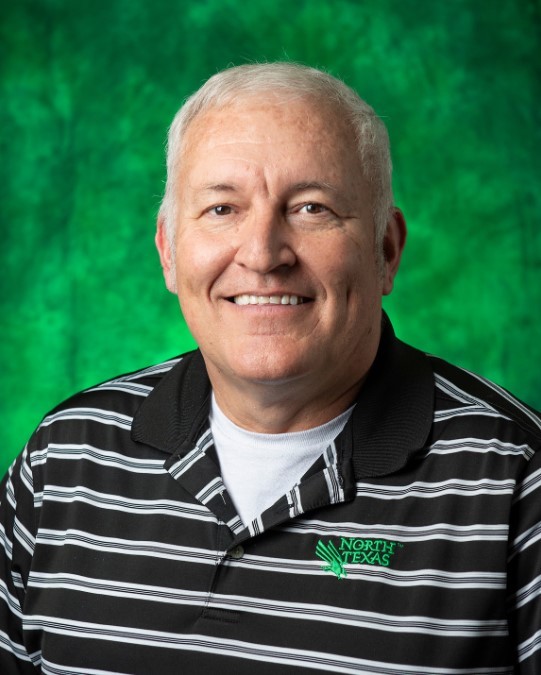
Pat Smith
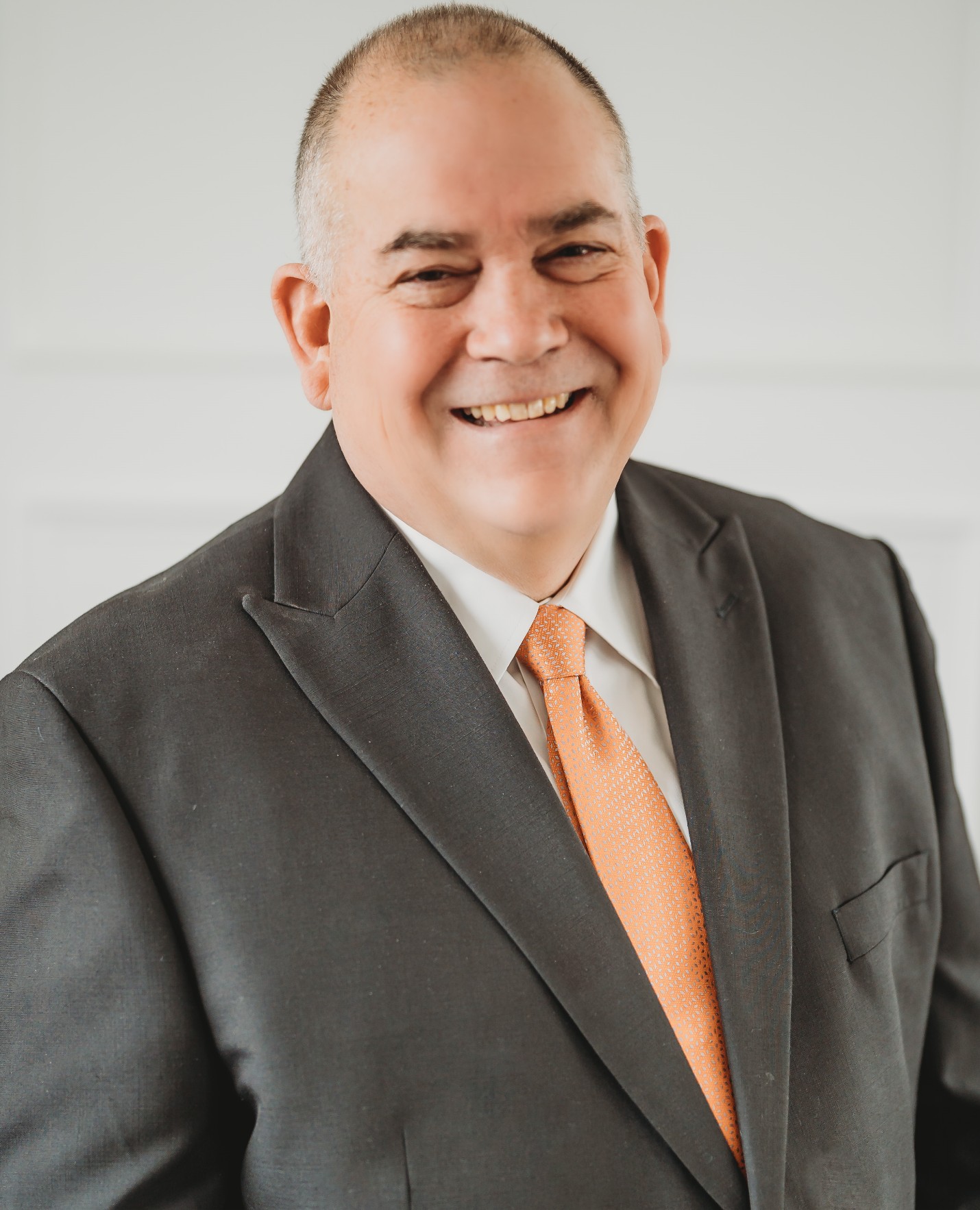
The Secret Sauce of Leadership: Serving First, Leading Always
Pat will focus on cultivating leaders who prioritize serving others first, fostering trust, empathy, and collaboration within teams. He emphasizes empowering individuals, building community, and creating a culture where leadership is defined by humility and support rather than authority. The goal is to inspire leaders to lead with purpose, compassion, and a commitment to the growth and well-being of those they serve.
Pat Smith brings over four decades of distinguished experience spanning the U.S. Air Force and the nonprofit sector. Throughout his career, he has led transformative projects—from constructing air bases and military housing to developing nonprofit service centers—while collaborating with local governments, universities, churches, and community organizations.
A proud graduate of the United States Air Force Academy, Pat earned a Bachelor of Science in Civil Engineering and went on to complete two master’s degrees from Air University in Engineering Management and Strategic Studies. His academic foundation and leadership expertise fueled a career defined by innovation and service.
After retiring from the Air Force in 2008, Pat turned his vision toward community impact. In 2011, he founded Serve Denton with a bold mission: to create a centralized hub for health and human services. What began as an idea is now a thriving $7 million, 5-acre campus featuring 52,000 square feet of space that houses 28 nonprofits and mission-aligned organizations. Serve Denton has become a model for other communities nationwide, sharing best practices and inspiring similar initiatives.
Pat’s commitment to service extends beyond his organization. He has served on numerous nonprofit and government boards and led major community projects. A dedicated Rotarian for 13 years, Pat is a member of the Denton-Lake Cities Rotary Club, where he chaired the Community Service Committee for five years and now serves as President-elect.
A lifelong advocate of servant leadership, Pat has mentored countless emerging leaders and launched programs such as Leading with Excellence and Embracing Servant Leadership to amplify his impact. His dedication to empowering others and strengthening communities earned him the Otis L. Fowler Award in 2023—the highest honor bestowed by the Denton Chamber of Commerce for individuals who make significant contributions to the progress and welfare of the community.
Pat and Jana have been married for 40 years and have three sons and seven grandchildren. He is an avid reader, gardener, and native plant enthusiast.
Pat Smith’s story is one of vision, leadership, and unwavering commitment to service--legacy that continues to shape lives and communities for generations to come.
Table 14
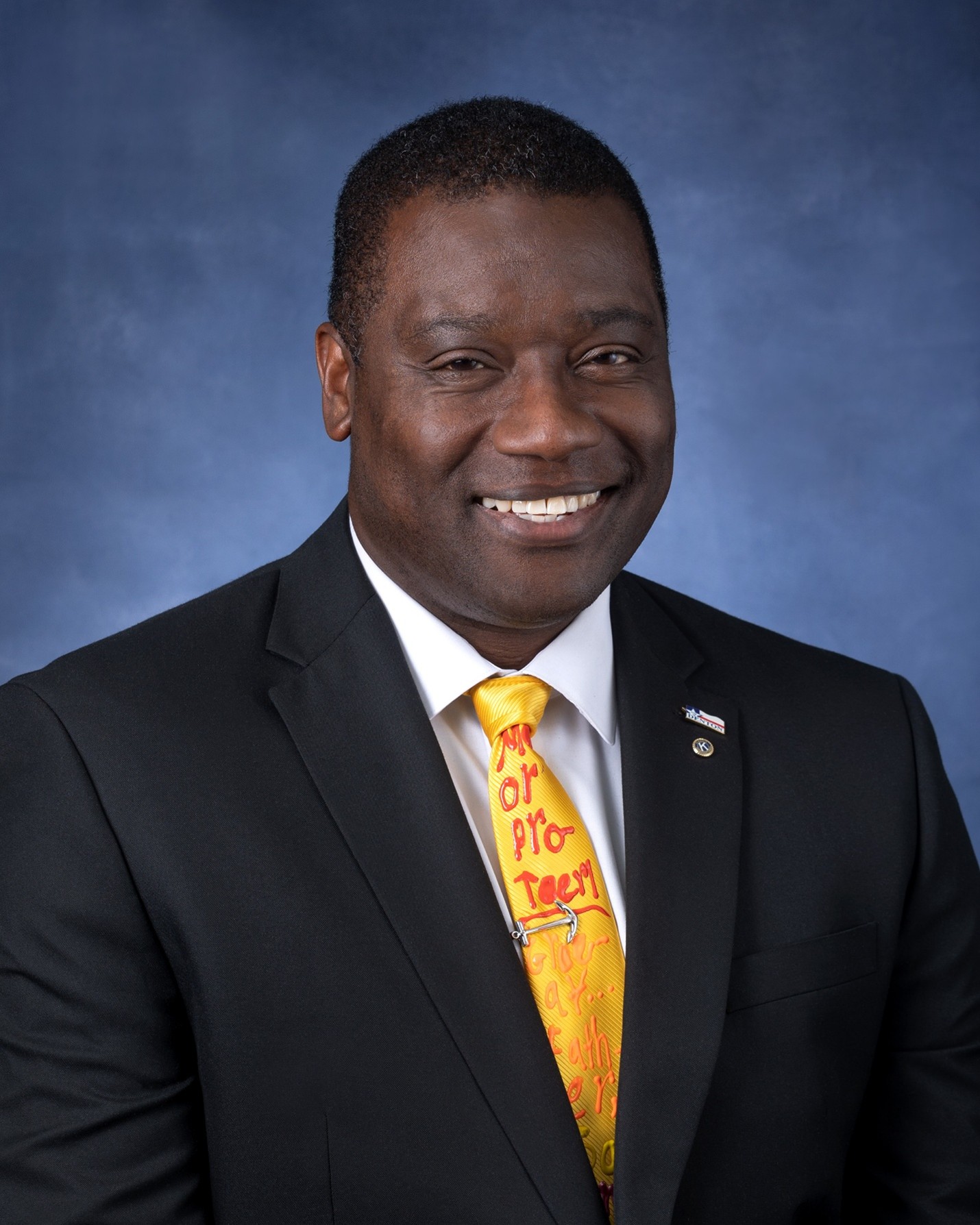
Gerard Hudspeth
Profiling (A data-based decision)
We will explore past experiences to predict potential future results (data). Then we will discuss the question, should well-established history inform our decisions? Should you assume, based on data (profiling)?
Gerard Hudspeth was born and raised in Denton, where he attended Denton High School and earned his bachelor's degree from the University of North Texas (UNT). After volunteering for many years on the Denton Planning and Zoning board, Gerard was elected to serve two terms on the City Council representing District 1. In 2019, his fellow Council Members selected him as Mayor Pro Tem and Gerard was elected Mayor in 2020. He was subsequently re-elected for a second term in 2022. Professionally, Gerard works in sales for a veteran-owned IT service and solutions company.
Gerard and his family have always had a passion for giving back to the community and that drive led Gerard to become a volunteer with both CASA and Mentor Denton to help serve at-risk kids and ensure they are provided every possible opportunity for success. Gerard is also active with the Independent Order of Odd Fellows, the Denton Breakfast Kiwanis, Denton Chamber of Commerce, and the Denton Black Chamber of Commerce.
Gerard and his wife, Diane, have been married for over 14 years and are proud parents of four wonderful daughters. His favorite book is Joseph: A Man of Integrity and Forgiveness by Charles R. Swindoll.
Table 15
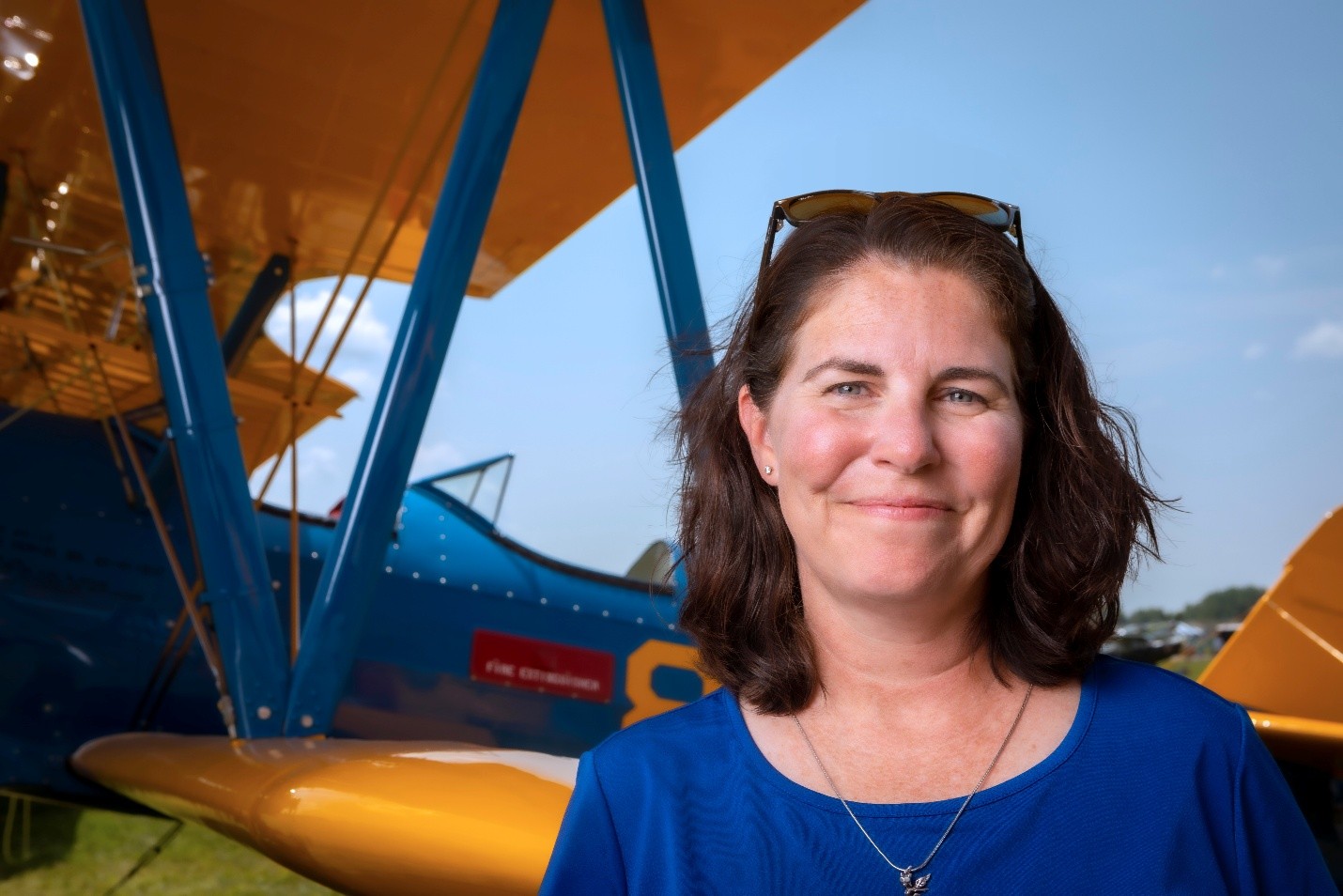
Dr. Katherine Sharp Landdeck
Flying with the Pistol Packin' Mamas
For the past thirty years I've had the great luck to spend time with the American women pilots of World War II - the Women Airforce Service Pilots, or WASP. Gathering their oral histories and other documents for my academic work was inspiring, but the stories gathered around the dinner table and bar were the most fun. Looking forward to chatting about these amazing women and my journey with them.
Katherine Sharp Landdeck, author of The Women With Silver Wings: The Inspiring True Story of the Women Airforce Service Pilots of World War II, is a Professor of History at Texas Woman’s University, the home of the WASP archives. A Guggenheim Fellow at the Smithsonian National Air and Space Museum, a Normandy Scholar, and a graduate of the University of Tennessee, where she earned her PhD, Landdeck has studied the WASP for three decades. She works with documentary filmmakers, podcasters, museums, television shows, and the media to help tell the story of the WASP and other histories to the public. She is a private pilot who flies whenever she can.
Table 16
Dr. Darrell Hull

Playing Chess while Hypoxic
A peaceful bike ride can feel blissfully simple; but once you pin on a number, a road race is anything but. A cycling road race can change in one corner, one surge, one decision. It's a real-time experiment in physiology, psychology, and game theory - all at the same time. Pushing your body to its limits while trying to outthink everyone and everything—managing effort, reading rivals, and choosing the right moment to commit when everything hurts and you’re trying to stay calm. Join me to talk about the hidden logic behind the chaos, the training, fueling, tactics, and the stories that reveal how races are won—and lost.
I've been racing bikes competitively for more than 30 years. I’m a 7-time Texas State Champion and competed both nationally and internationally as an amateur Master’s cyclist across all road disciplines (criterium, road racing, and time trial), and occasionally compete in gravel road races as well.
While riding a bike can feel like the simplest, most peaceful thing in the world, racing one on the road is the opposite. Road racing is fast, tactical, and—at times—brutally painful. You’re not just trying to suffer; you’re trying to think clearly inside the suffering: reading people, predicting moves, and making split-second decisions while your heart rate is redlined and the pace is relentless.
In this conversation, I’ll pull back the curtain on what it actually takes to be race-ready. We’ll walk through training and recovery, nutrition strategies (what you eat, when you eat, and what happens when you get it wrong), and the data that shapes a season—power, heart rate, intervals, fatigue, and the long, unglamorous work of building VO₂ and race fitness.
We’ll also dig into the chess match: tactics that win races, tactics that blow them up, and how teamwork—drafting, positioning, sacrificing, and timing—can turn “strong” into “successful.” Along the way, we’ll touch on the darker edges of competition: what some athletes have done to win when effort wasn’t enough.
And because racing always has a cost, I’ll share a personal story about how the same variables that make victory possible can also end in seconds—finding the right wheel, making the right move…and suddenly being on the ground and in the hospital.
Finally, we’ll end with the question that matters: why do it at all? What makes people choose this particular kind of hard—and what they carry with them long after the finish line.
Table 17
Steve Gandara
Service Over Self: Building Cultures That Endure
In an era where organizations compete not only on innovation but on identity, culture has become the ultimate differentiator. Drawing on nearly five decades of experience advising global brands such as Toyota, Microsoft, Costco, Caterpillar, and Subway, Steve Gandara will explore how leaders can intentionally shape high-performance cultures rooted in unity, accountability, and purpose.
At the heart of this conversation is Steve's proprietary Service-Over-Self Organizational DNA model—a practical framework that equips leaders to drive measurable results while building workplaces recognized for excellence, diversity, and long-term impact. Through compelling stories from the boardroom to the community, Steve will challenge participants to consider how service-driven leadership can transform teams, strengthen institutions, and create legacies that endure for generations.
Steve Gandara is a speaker, author, consultant, and corporate culture transformation expert with nearly fifty years of experience developing high-performance leaders, teams, and organizations. As Co-Founder and Managing Director of Excellent Cultures, Inc., he has partnered with some of the world's most recognized brands to build unified, values-driven cultures that consistently outperform their industries.
A U.S. Army Reserve veteran, Steve brings a disciplined, mission-focused leadership philosophy shaped by both real-world experience and academic preparation, including a BBA from the University of Oklahoma and postgraduate studies in management and leadership at Texas Christian University and General Motors University. His work has helped organizations achieve record-breaking ROI, “Best Places to Work” recognition, and cultures defined by excellence and unity.
Beyond his corporate impact, Steve is deeply committed to service. He has mentored youth, served as a School Board Member, Church Board President, Social Service Charity Board Chair, College Board of Regents Chair, and Minority Scholarship Fundraiser. Alongside Denise, his wife of more than five decades, he has raised eleven children—two biological and nine adopted. Through his nationally licensed IGNITE YOUNG LEADERS program, Steve continues to inspire the next generation to lead with character, courage, and purpose.